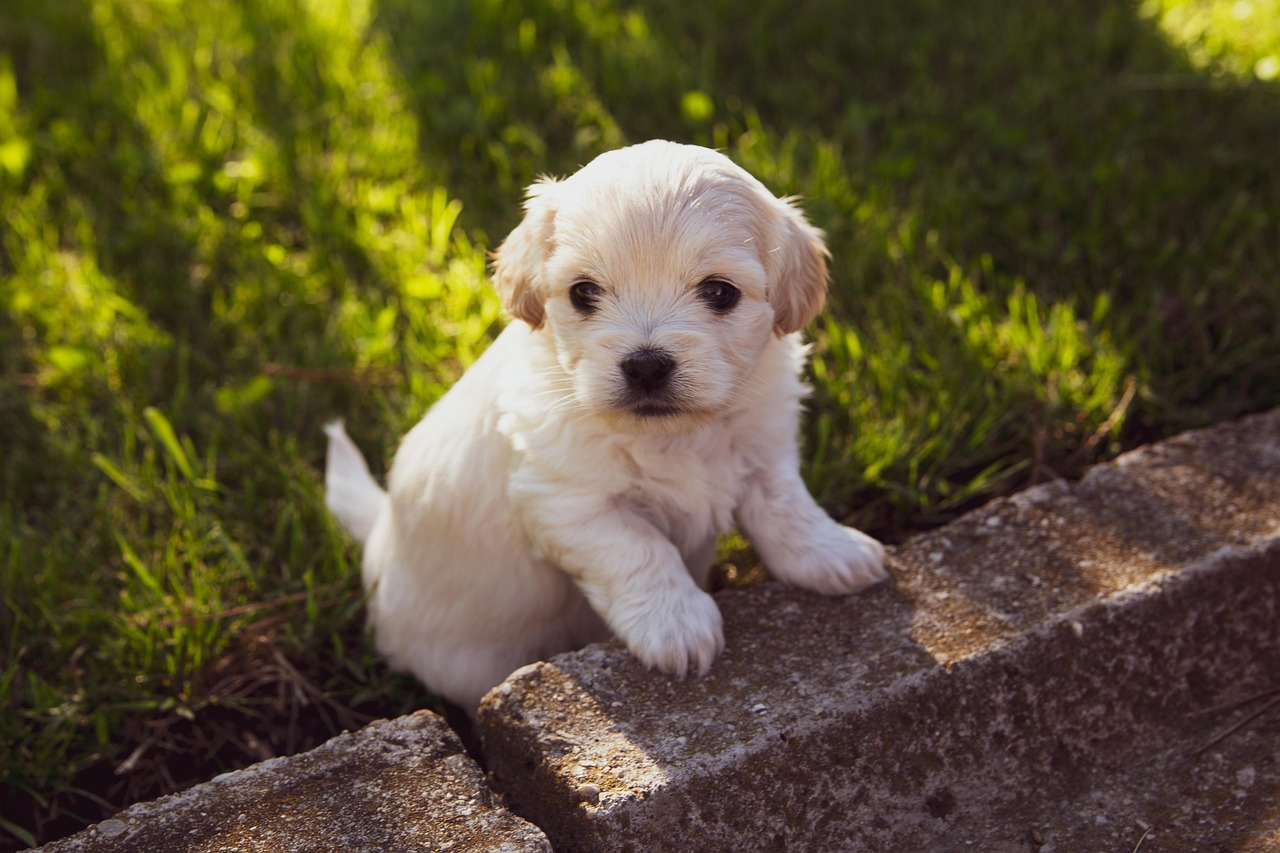
An active companion for someone who enjoys walks, training and sharing a daily routine.
01 / Meet the animal
Common types and appearance
Dogs range from tiny to large, with short, long, smooth or curly coats. Size and face shape affect practical care; a photo cannot tell you whether a dog fits your daily routine.
Examples you may meet
Mixed-breed dogs: Coat, size and energy can vary widely; get to know the individual dog.
Labrador Retriever: Usually a medium-to-large, sturdy dog with a short coat; often active and social.
Poodle: Comes in different sizes with a curly coat that needs regular grooming.
These are examples, not a ranking of the best pets. Individuals can differ from typical descriptions.
02 / Food and water
What and how to feed
Use a complete food suitable for the dog’s age, size and health. Puppies need a different feeding plan from adult dogs.
Measure meals and provide fresh water. Treats count toward daily food, especially during training.
Change food gradually and ask a vet about allergies, weight problems or special diets. Never give chocolate, grapes or raisins.
03 / Everyday life
A suitable home and daily care
Plan walks and exercise suited to the dog’s age and health; a garden does not replace walks or social time.
Provide a safe sleeping place, chew toys, company and reward-based training.
Arrange care when you are away and budget for grooming, vaccinations and veterinary visits.
04 / Keep watching
Health and further reading
A dog that seems unwell, refuses food, has breathing trouble or shows a sudden change in behaviour needs a vet’s advice.
For more detailed care requirements, start with RSPCA dog care. Check species-specific needs with a qualified vet or rescue before bringing an animal home.